Answering 24/7
Heating and cooling inspections in Minneapolis
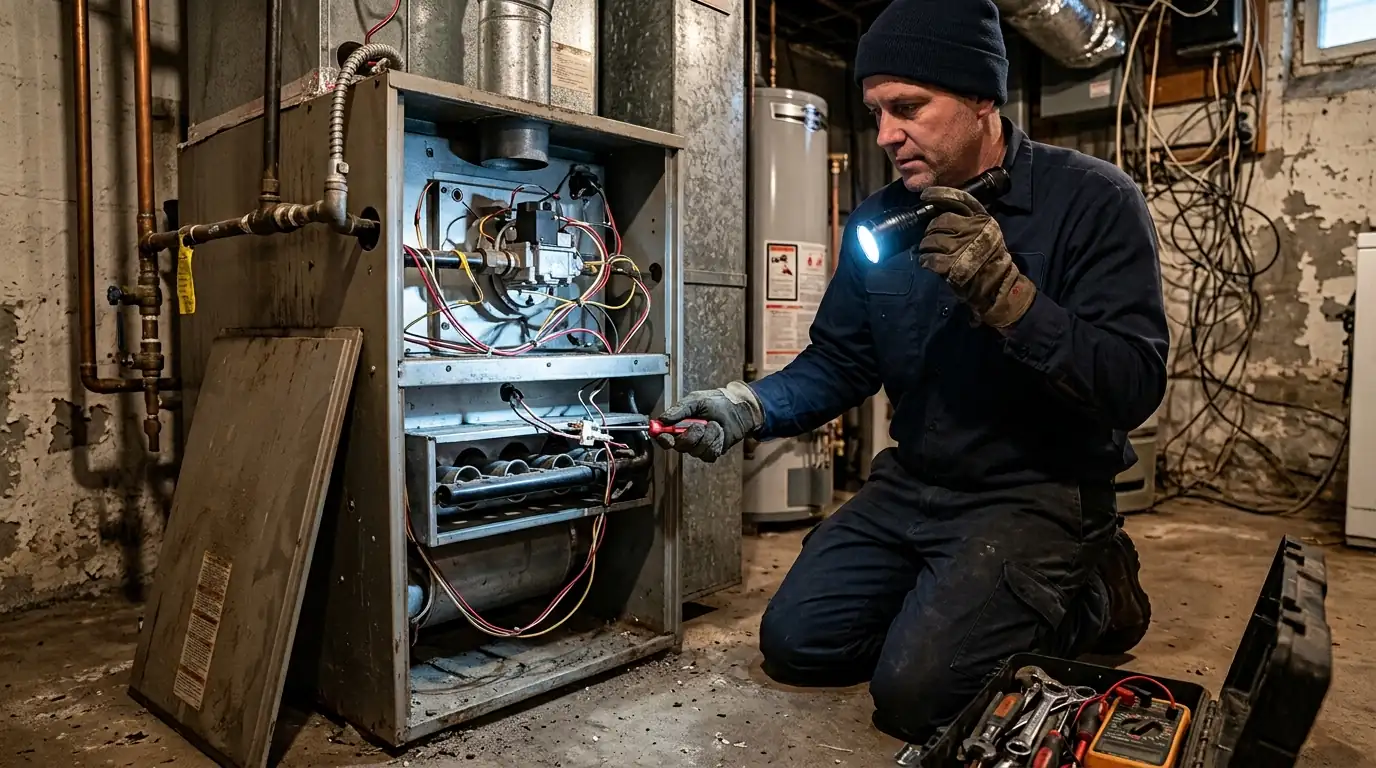
A general home inspection looks at the furnace for a few minutes. An HVAC inspection looks inside it. We check the heat exchanger, venting and safety controls, measure carbon monoxide, and write up what we find in plain language.
- 24/7 calls answered
- Minneapolis service office
- Camera and CO inspection tools
- Written plain-language report
Quick answer
An HVAC inspection in Minneapolis covers the heat exchanger, venting, gas connections, safety controls and carbon monoxide, plus the AC or heat pump and ductwork, with a written report. Buyers use it before closing, sellers before listing, and homeowners use it after a CO alarm or when a system is near 20 years old.
Heating
When an HVAC inspection is worth it
The most common reason is a home sale. A buyer wants to know whether the furnace or boiler has years left or is about to become a surprise expense. A seller wants no surprises in the buyer's inspection.
The other reason is safety. A carbon monoxide alarm, soot around a burner, or a water heater that spills exhaust at its hood all deserve a proper look. We inspect, measure and report; if repairs are needed, they are priced separately and you are free to use anyone.
What is included
What the inspection covers
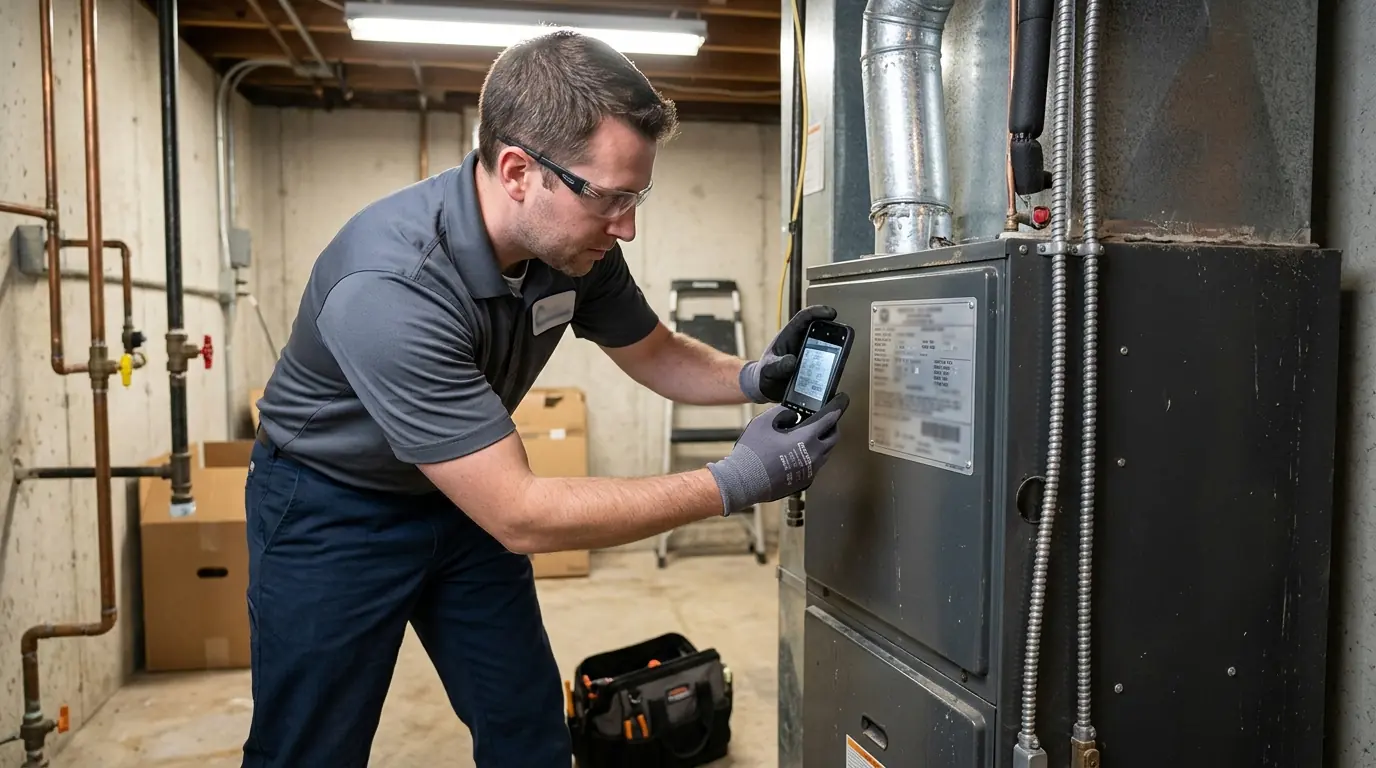
- Equipment age and data plates recorded
- Heat exchanger inspected, with camera where possible
- Combustion analysis in the flue
- CO measured at supply registers
- Draft tested on atmospheric appliances
- Gas connections leak-checked
- AC or heat pump operation checked
- Visible ductwork and filters reviewed
- Written report with photos
Pre-sale HVAC inspection
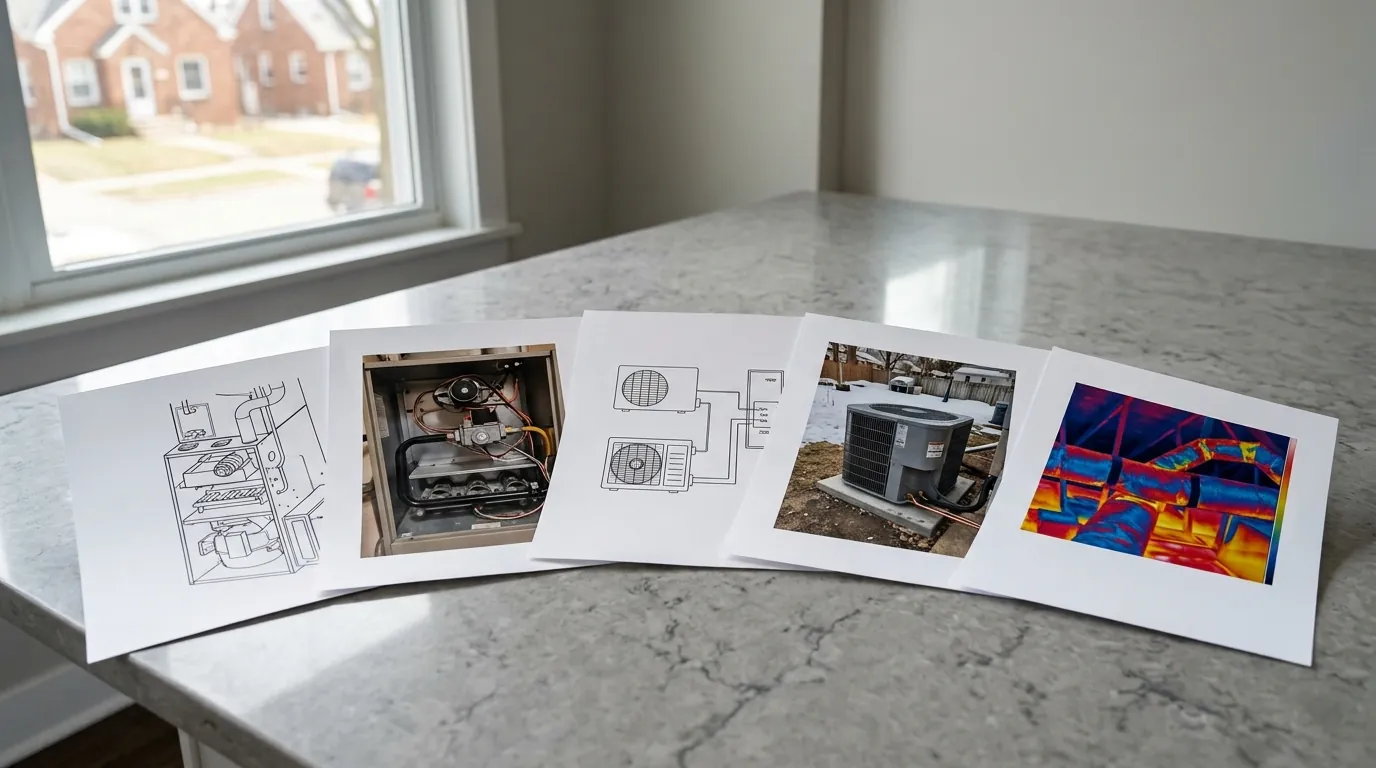
A pre-sale inspection records the age, model and condition of the furnace or boiler, the AC or heat pump, and the water heater, then checks how each is working. We look for heat exchanger damage, venting problems, gas leaks, refrigerant issues, and signs of neglect, and note permit stickers for recent replacements. The report says what is sound, what needs repair and what is near the end of its life, so buyers and sellers can negotiate from facts rather than guesses.
Heat exchanger camera inspection
A cracked heat exchanger is the most serious furnace defect, and it is hard to see without tools. We inspect through the burner openings and flue with a camera where the furnace design allows, watch the flame for disturbance when the blower starts, and run a combustion analysis. Findings are photographed. If we see a crack or signs of one, we explain what it means, whether the furnace should run, and what the options are, rather than simply writing replace on a form.
Carbon monoxide safety check
Carbon monoxide comes from incomplete combustion or from exhaust that does not leave the house. We measure CO in the flue and at supply registers, test draft at the water heater and any other atmospheric appliance with the furnace and exhaust fans running, and check vents and chimney connections for blockages or gaps. We also check that CO alarms are present and working. If readings are unsafe, we shut the appliance down, tag it, and tell you exactly why and what it will take to make it safe.
What we see on calls around Minneapolis
In Minneapolis a furnace replacement requires a city permit and inspection, with a flat permit fee of $216.60, so a missing permit sticker on a newer furnace is worth noting in a sale. We also note whether the equipment is a 95 percent or higher unit, because Xcel Energy and CenterPoint rebates of about $200 to $400 apply only to qualifying furnaces, which tells a buyer something about how it was chosen.
Step by step
How an inspection runs
- 1
Record the equipment
Age, model and data plates photographed.
- 2
Run each system
Heating and cooling operated through full cycles.
- 3
Inspect and measure
Heat exchanger, venting, gas, CO and refrigerant checked.
- 4
Check the ducts
Visible ductwork, returns and filters reviewed.
- 5
Write the report
Findings, photos and any recommendations in plain language.
Cost factors
What moves the price
Inspections are priced by the number of systems and how detailed the report needs to be.
- Number of systems. Furnace, AC, boiler and water heater each add time.
- Heat exchanger camera work. Included where the design allows access.
- Combustion analysis. Part of every heating inspection.
- Report detail. Photos and a written report are standard.
- Access. Attic and crawl space equipment takes longer.
- Timing. Rush inspections before a closing date may need scheduling help.
- Repairs. Quoted separately; you are free to use anyone.
Buying, selling, or worried about CO?
Call to book an inspection. You get a written report you can hand to your agent or keep for your records.
Questions we get on the phone
HVAC inspection questions from Minneapolis homeowners
Yes. It opens the equipment and measures combustion and CO, which a general inspection usually does not.
Usually one to two hours for a furnace, AC and water heater.
Only if the findings support it, and we show you why.
Get everyone outside, call 911 or the gas utility, then call us to find the source.
No. The report is yours to use with anyone.
More from this category
Related work we handle
From our guides: How to choose a heating and cooling contractor.
Know what you are buying or living with
Call to book an HVAC inspection with a written report.