Answering 24/7
Gas fireplace service and repair in Minneapolis
A gas fireplace is a small heating appliance with a pilot, a valve, a burner and a vent, and it needs the same yearly attention as a furnace. We clean it, check the venting and glass seal, and repair the pilot and valve problems that keep it from lighting.
- 24/7 calls answered
- Minneapolis service office
- Pilot to vent full service
- CO check every visit
Quick answer
Gas fireplace service in Minneapolis covers an annual cleaning, a glass and gasket check, a vent inspection and a carbon monoxide test, plus repairs to the pilot, thermocouple, thermopile and gas valve. Most fireplaces that will not light have a dirty pilot or a weak thermocouple or thermopile.
Boilers & Water Heaters
Why a gas fireplace needs yearly service
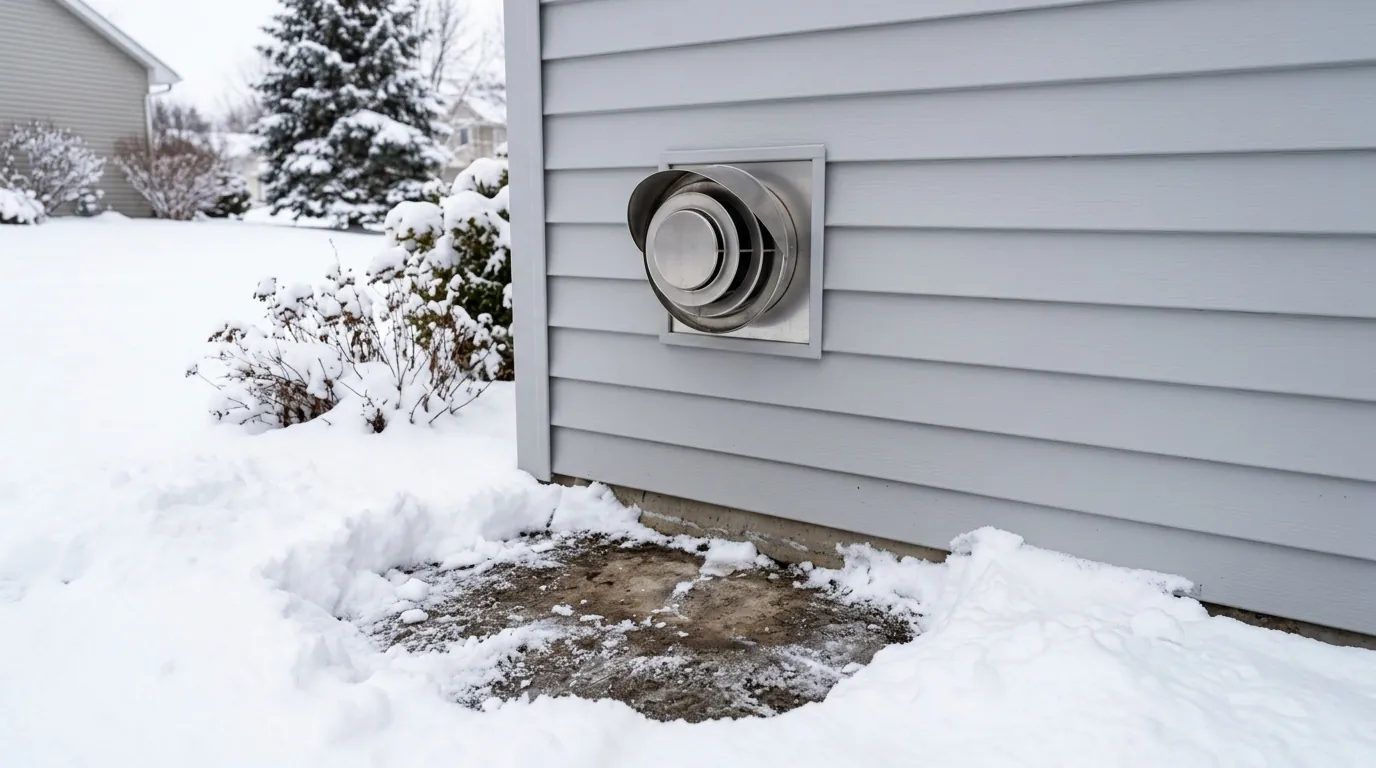
A gas fireplace burns inside the house and vents through the wall or roof. Dust, spider webs and log residue build up on the pilot and burner over a season, the glass gasket dries out, and vent terminations collect debris or get blocked by snow.
An annual service cleans all of that, checks the vent and seal, and tests the safety components. It is also when small problems, like a pilot flame that is getting weak, are caught before the fireplace refuses to light on the first cold weekend.
Pilot and ignition repair
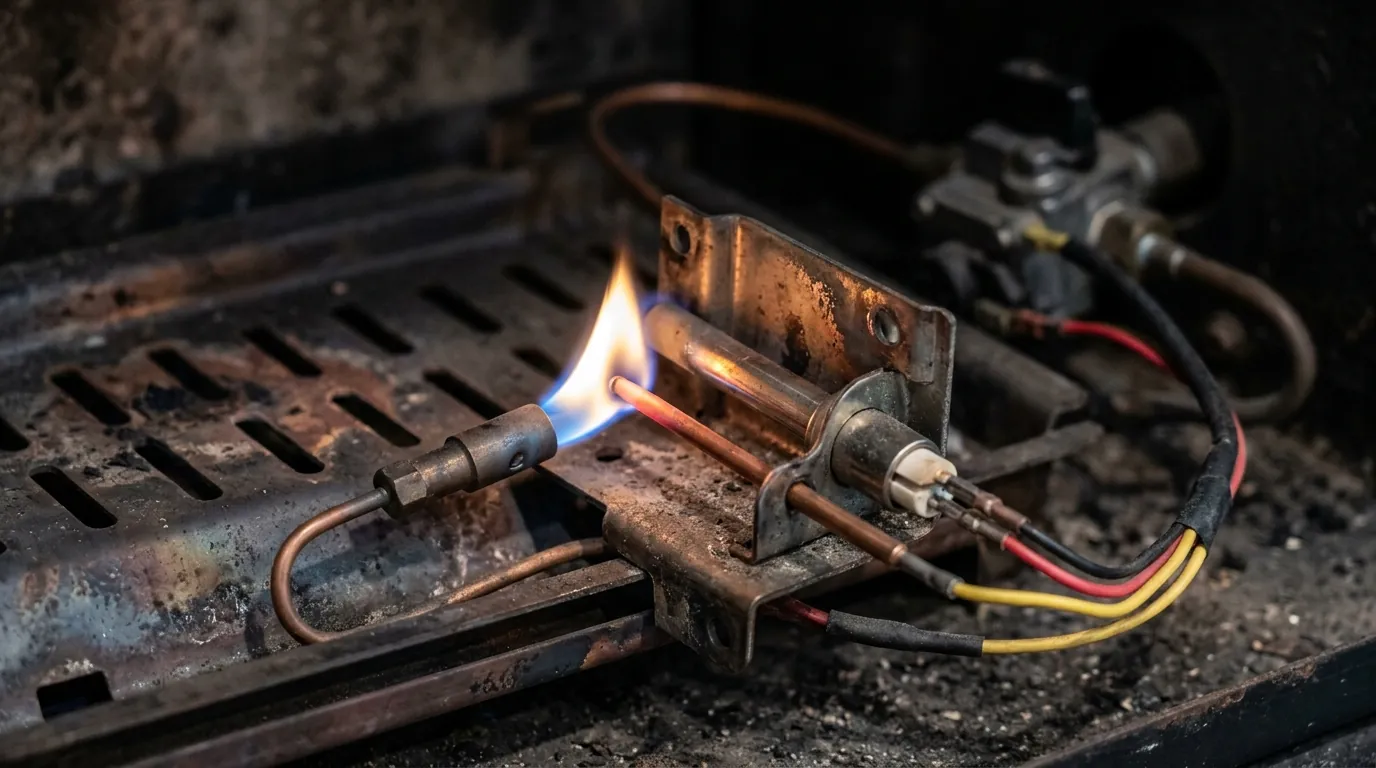
Most fireplace service calls are a pilot that will not light or will not stay lit. A dusty pilot orifice makes a weak flame that does not heat the thermocouple or thermopile enough. Electronic-ignition units can have a failed igniter, module or battery backup. We clean the pilot assembly, check the flame shape and size, test the igniter and module, and replace the spark electrode or battery where needed. Then we light it several times to confirm it starts reliably.
Annual cleaning and glass reseal
An annual cleaning removes the logs, vacuums the firebox and burner, clears the pilot, and cleans the white film that builds on the glass. We check the logs are placed as the manufacturer shows, because misplaced logs cause soot and poor flame. The glass gasket seals the combustion chamber from the room; when it hardens or tears, combustion air leaks and the unit may soot. We inspect it and reseal or replace the gasket if needed, and test for carbon monoxide at the fireplace.
Thermocouple and valve replacement
The thermocouple or thermopile generates a small voltage from the pilot flame that holds the gas valve open. As they age, their output drops and the pilot goes out after a few minutes, or the main burner will not come on from the wall switch. We measure the millivolt output under load, replace the thermocouple or thermopile if it is low, and test the gas valve. A valve that has failed is replaced with the correct model for the fireplace, then leak-tested.
Local conditions that change the fix
Winters in Minneapolis regularly reach 15 below, and a lot of homeowners here rely on a gas fireplace as a second heat source in a family room or basement rather than just decoration. That means it runs for hours at a time in January. We treat it like the heating appliance it is, and we check the vent termination outside on every visit because a blocked vent on a heavily used fireplace is a carbon monoxide problem.
Step by step
How a fireplace service runs
- 1
Shut down and cool
Gas off, unit cooled before anything is opened.
- 2
Remove glass and logs
Glass removed, logs lifted out and inspected.
- 3
Clean and inspect
Firebox, burner, pilot and glass cleaned; gasket checked.
- 4
Test safety components
Thermocouple or thermopile output measured, valve tested.
- 5
Reassemble and test
Logs placed correctly, unit lit, CO tested, vent checked outside.
Cost factors
What moves the price
Fireplace service is priced by the visit and any parts needed.
- Annual cleaning. A standard cleaning and inspection is a set visit.
- Pilot parts. Thermocouples and electrodes are inexpensive; modules cost more.
- Thermopile or valve. Valve replacement costs more and depends on the model.
- Glass gasket. Resealing or replacing the gasket adds parts.
- Vent work. Clearing or repairing a vent termination adds time.
- Model age. Parts for older or discontinued units may need to be ordered.
- Remote or wall switch. Replacing controls adds parts.
Brands we service and install
On boilers and water heaters we see Weil-McLain, Navien, Bosch and Rheem most often.
Compare
What you can do between services
| Homeowner | Our technician | |
|---|---|---|
| Replace remote or backup batteries | Easy | Controls tested at service |
| Keep the vent clear of snow | Safe from outside | Termination inspected yearly |
| Wipe outer glass | Fine when cool | Inside film cleaned properly |
| Pilot, valve and gasket work | Not a DIY job | Repaired and leak tested |
If you smell gas, turn off the fireplace, leave the house and call the gas utility.
Questions we get on the phone
Gas fireplace service questions from Minneapolis homeowners
Once a year, ideally before the heating season.
Most often a dirty pilot or a weak thermocouple or thermopile.
Mineral deposits from combustion. It needs a proper cleaner, not a household glass spray.
It means incomplete combustion, often from misplaced logs or a gasket leak. It should be checked.
Yes, gas inserts in masonry fireplaces and free-standing gas stoves.
More from this category
Related work we handle
From our guides: Getting a furnace ready for a Minnesota winter.
Get the fireplace ready for winter
Call to book a cleaning and safety check before the first cold weekend.