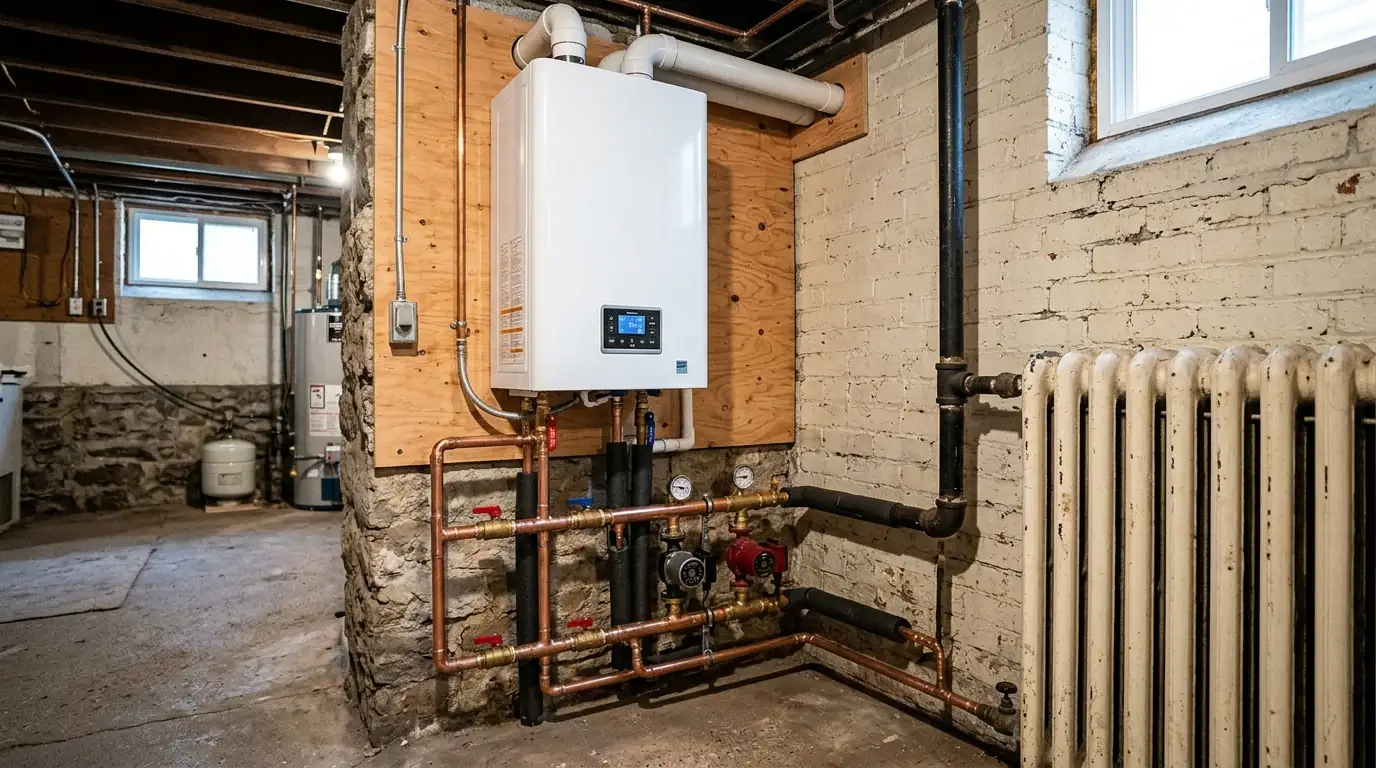
Steam and hot water
Boiler and radiator repair in Minneapolis
A lot of Minneapolis still heats with a boiler in the basement and cast iron radiators upstairs. These systems last for decades, and most breakdowns come down to a control, a pump, a valve or water pressure, all things we fix on site.
- 24/7 calls answered
- Minneapolis service office
- Steam and hydronic both repaired
- 20 to 30 yrs typical boiler life
Quick answer
Boiler repair in Minneapolis covers hot water and steam systems common in older homes, where most no-heat calls trace to the igniter or pilot, a circulator pump, a zone valve, low water pressure or a failed pressure relief valve. Boilers typically last 20 to 30 years, so a repair is usually worth doing.
Step by step
How a boiler repair call runs
- 1
Call and describe the problem
No heat, cold radiators, dripping valve or strange noises.
- 2
Safety check
Water level, pressure, relief valve and flue draft checked first.
- 3
Diagnose
Controls, ignition, pump, valves and air in the system tested.
- 4
Repair and restore heat
The failed part is replaced and the system brought back up.
- 5
Balance and explain
Radiators bled or vents checked, and pressure settings shown to you.
Warning signs
Signs it is time to call
- Boiler running but radiators cold
- Pressure gauge above 25 psi or below 10 psi on a hot water system
- Relief valve dripping or discharging
- Banging or clanking pipes on a steam system
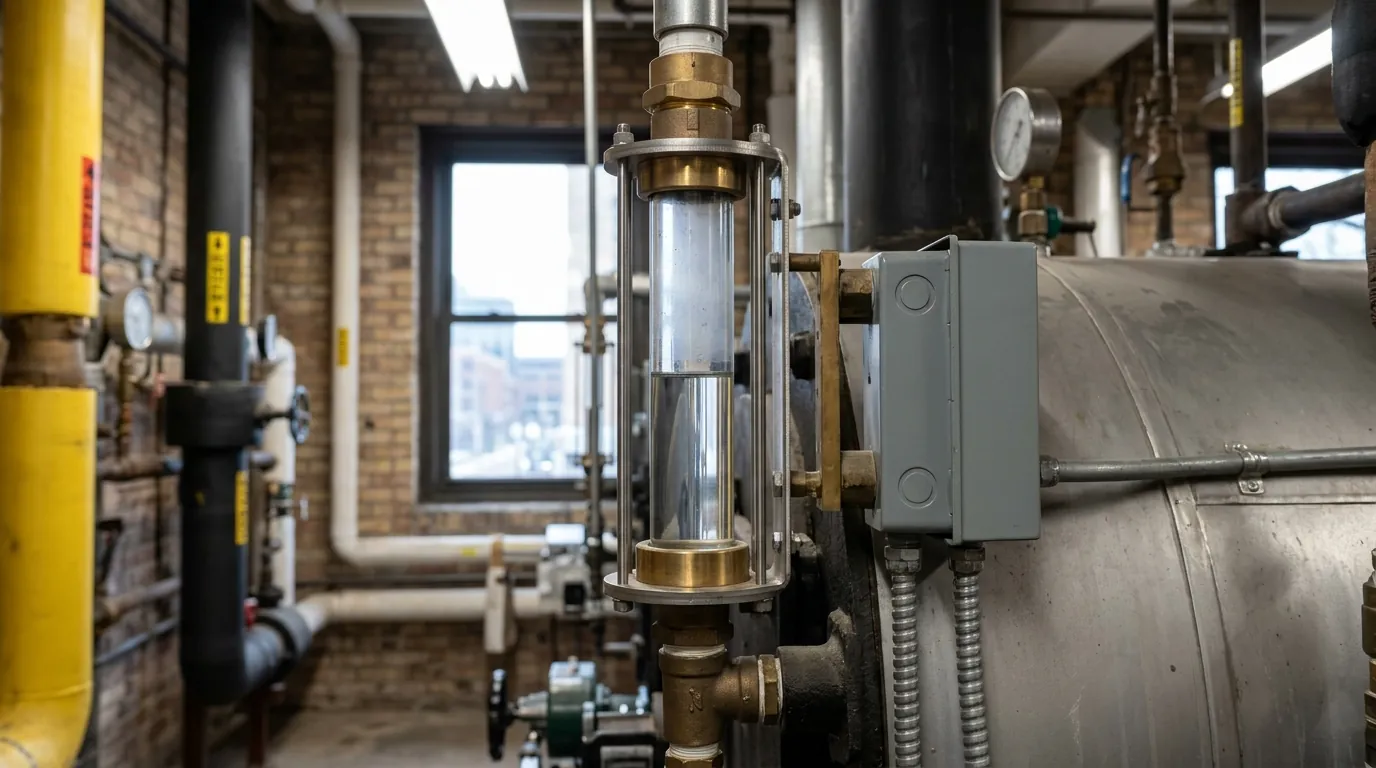
- Water level in a steam sight glass low or bouncing
- Pilot or burner repeatedly going out
Boilers & Water Heaters
Hot water and steam are different machines
Hot water boilers pump heated water through radiators or baseboard and back, and depend on the right system pressure, a working circulator, an expansion tank and air removed from the lines. Steam boilers boil water and let the steam rise to the radiators, and depend on water level, pressure controls and venting at the radiators.
The two fail differently. A technician who treats steam like hot water, or pumps up the pressure without knowing why it dropped, creates the next breakdown.
Timing
How long until the heat is back
Most igniter, thermocouple, vent and relief valve repairs are done on the first visit and the radiators start warming within the hour. A circulator or gas valve replacement usually takes a couple of hours. If a part for an older boiler has to be ordered, we bring temporary electric heat so the house stays safe in a cold snap.
Boiler not firing
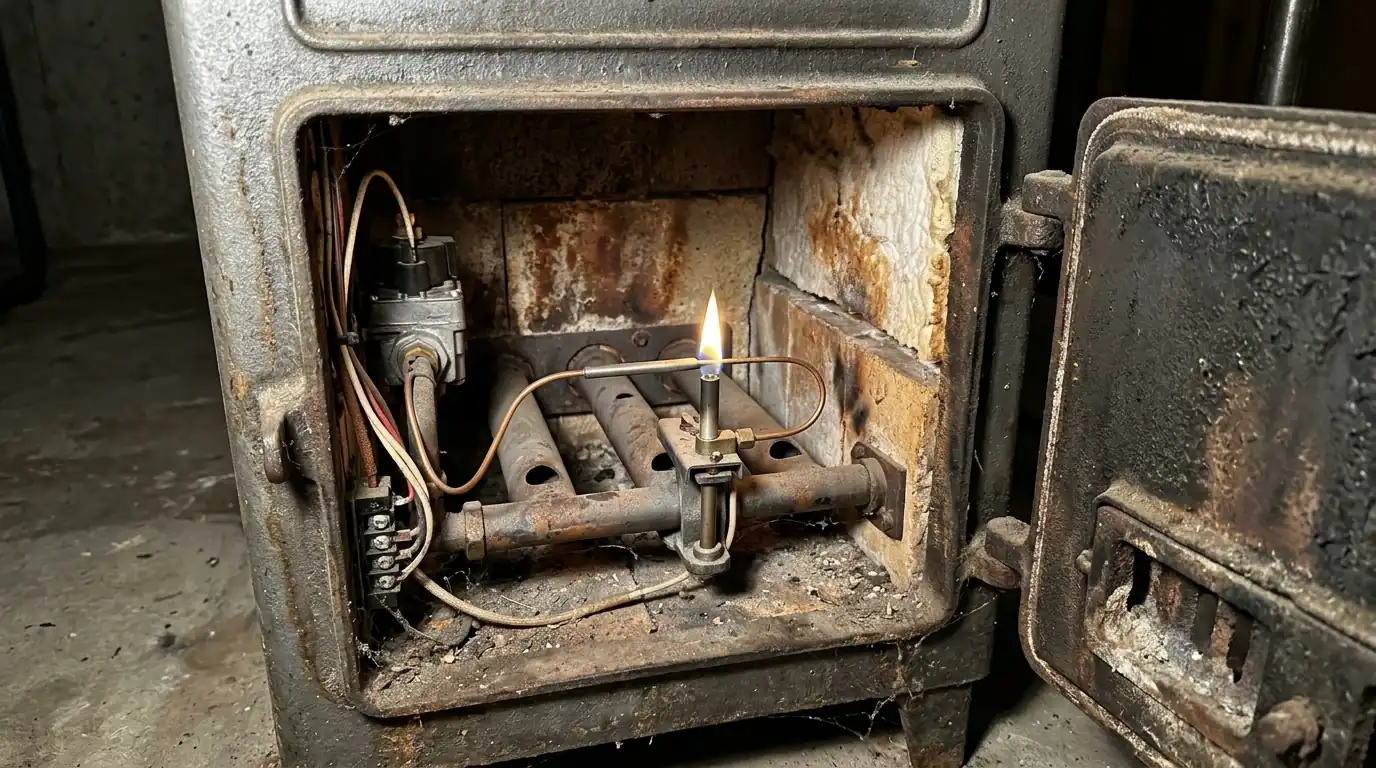
When the boiler will not light, we work through the sequence: the thermostat or zone call, the low-water cutoff on a steam boiler, the pressure switch and inducer on a newer unit, then the igniter, pilot, thermocouple or flame sensor and the gas valve. Older standing-pilot boilers often need only a thermocouple. Condensing boilers show fault codes on the display that narrow it down fast. We restore heat first, then look at why the part failed so it does not happen again next week.
Radiators cold on one floor
In a hot water system, radiators that stay cold on the top floor usually have air trapped in them or in the piping, or the circulator is not moving enough water. Bleeding the radiators, checking system pressure at the gauge and confirming the pump actually runs fixes most of it. In a steam system, cold radiators often mean stuck air vents or a main vent that cannot let air out, so steam never arrives. We replace failed vents and check pipe pitch so condensate drains back to the boiler.
Pressure relief valve discharging
A hot water boiler's relief valve opens at about 30 psi to protect the system. If it is dripping or discharging, pressure is climbing too high. The usual causes are a waterlogged expansion tank that no longer absorbs expansion, or a fill valve letting too much city water in. Replacing the valve alone just hides the problem. We check the expansion tank charge, test the fill valve, correct the pressure and then replace the relief valve if it no longer seats.
Circulator pump failure
On a hot water system the circulator moves water to the radiators. When it fails the boiler heats but the house does not, and the pipes near the boiler get hot while the ones upstairs stay cool. A seized pump often hums without turning, and older pumps can fail at the coupling or bearing assembly. We confirm the pump is getting power from the relay, check for a seized motor or broken coupler, and replace the cartridge or the whole pump, then purge air so the system flows again.
How Minneapolis homes shape this job
Boilers are more common in Minneapolis than in most warmer cities because of how much historic housing stock the city has, and the ones we service have often been running for decades. A boiler typically lasts 20 to 30 years, longer than most furnaces, and the radiators and piping upstairs can outlast several boilers. That is why we lean toward repairing the part that failed rather than recommending a replacement on the first no-heat call.
Brands we service and install
On boilers and water heaters we see Weil-McLain, Navien, Bosch and Rheem most often.
Radiators cold tonight?
Call any hour. A technician who works on boilers every week will be dispatched from our Cahill Rd office.
Questions we get on the phone
Boiler repair questions from Minneapolis homeowners
In a hot water system, usually trapped air or a weak circulator. In a steam system, usually stuck air vents. Both are fixable on a visit.
Most residential hot water systems run around 12 to 15 psi cold and under 25 psi hot. Steam boilers run at very low pressure, usually under 2 psi.
It is protecting the system from overpressure. The cause, often a failed expansion tank or fill valve, needs fixing.
Not necessarily. Boilers often last 20 to 30 years. We replace when the heat exchanger leaks or repairs stop making sense.
Yes, both steam and hot water systems.
Cost factors
What moves the price
Published 2026 Minneapolis service-call rates run about $115 to $210. Replacing a boiler averages $3,201 to $13,171 here, which is why a sound repair on a working boiler is usually the better value.
- Steam or hot water. Steam systems need different parts and diagnosis time.
- The failed part. A thermocouple costs little; a circulator or gas valve costs more.
- Expansion tank. Many relief-valve calls end with a new expansion tank.
- Air and venting. Bleeding radiators or replacing steam vents adds time on large houses.
- Boiler age. Parts for very old boilers may have to be ordered.
- Access. Crowded basements and old piping slow the work.
- Time of the call. Night and weekend no-heat calls may cost more.
More from this category
Related work we handle
From our guides: Boiler warning signs to catch before winter.
Get the boiler running again
Call any hour. Tell us whether it is steam or hot water and what the gauge reads.